Home About Us

About NSPHRS

Our history, mission, and the 20 research objectives that guide our work across Bangladesh.

Who We Are

A Non-Profit Research Society Dedicated to Evidence-Based Development

NextStep Social & Public Health Research Society (NSPHRS) is a non-government, non-profit, non-political, voluntary organisation registered under The Societies Registration Act, 1860 (Act No. 21 of 1860) in Bangladesh.

Founded by Md. Monirul Islam, the Society was established to address critical gaps in social and public health research in Bangladesh, and to generate evidence-based insights that can inform policy, shape interventions, and drive meaningful community development.

The Society conducts its activities across various regions throughout Bangladesh, with the scope to extend internationally subject to obtaining necessary legal permissions and approvals.

Meet Our Directors → Read Constitution →
Founder
Md. Monirul Islam
CEO & Founder, Nextstep Solution · Brahmanbaria, Bangladesh
Nature
Non-Government · Non-Profit · Non-Political
Voluntary Research & Development Organisation
Registration
Societies Registration Act, 1860
Act No. 21 of 1860, Bangladesh
Operational Area
All regions throughout Bangladesh. Scope to extend internationally with requisite approvals.
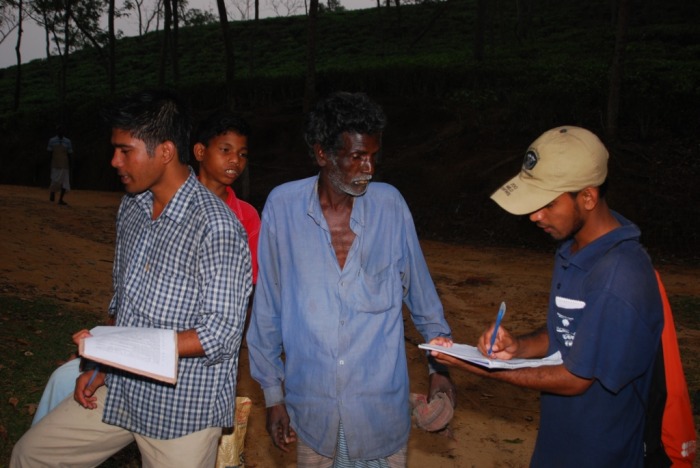
NSPHRS researchers conducting a community field survey in Bangladesh
Research That Reaches People

We take our research into the field — to the communities whose lives it aims to improve.

From tea-garden settlements to urban hospital wards, our work begins where the need is greatest — collecting the evidence that turns lived realities into actionable policy.

Our Mission

Three Pillars of Our Work

Rigorous Research

Conducting systematic, evidence-based research on social and public health challenges facing communities in Bangladesh, applying rigorous academic standards to generate reliable, actionable insights.

Community Engagement

Engaging with communities, civil society, and development practitioners to ensure our research reflects real needs, and disseminating findings through accessible publications, conferences, and workshops.

Policy Advocacy

Translating research findings into actionable policy recommendations and engaging with government bodies, international organisations, and development partners to influence positive change at scale.

Our Objectives

20 Core Research Objectives

Our comprehensive research agenda addresses the most pressing social and public health challenges facing Bangladesh.

1
Educational Equity
Investigate learning outcomes, access barriers, and systemic inequities to advocate for evidence-based policy interventions.
2
Public Health Outcomes
Research healthcare access, disease prevalence, and health outcomes in underserved communities to inform policy and interventions.
3
Environmental Sustainability
Study climate change impacts, air and water quality, and conservation to advance evidence-based environmental policies.
4
Agricultural Productivity
Investigate food systems, farming practices, and rural development challenges to advance sustainable agriculture.
5
Blood Safety
Research public awareness gaps, donor patterns, and supply chain challenges to support evidence-based blood donation initiatives.
6
Food Security & Disaster Relief
Analyse nutrition gaps, food systems, and disaster vulnerability to develop frameworks for relief and emergency response.
7
Disability & Social Inclusion
Examine rehabilitation needs and participation barriers to advocate for evidence-based disability policies.
8
Gender Justice
Investigate gender-based violence, legal access barriers, and systemic injustice to advance policy reform and community awareness.
9
Water Safety
Study water quality, arsenic contamination, and safe drinking water access to support public health interventions.
10
Human Welfare
Assess humanitarian needs, social welfare gaps, and development challenges to advance evidence-based welfare policies.
11
Research Dissemination
Publish and disseminate research findings, policy briefs, reports, bulletins, and documentaries per government regulations.
12
Vulnerable Populations
Examine child welfare, aging, and social care needs to advocate for policy-based community care solutions.
13
Academic Engagement
Organise seminars, discussions, and research-based activities on important national and international themes.
14
Strategic Partnerships
Build partnerships with individuals, institutions, and funding bodies at home and abroad to sustain our research mission.
15
Collaborative Research
Partner with national and international organisations to share knowledge, conduct joint research, and expand humanitarian initiatives.
16
Academic Publishing
Generate and disseminate knowledge in public health and social sciences through peer-reviewed publications and policy briefs.
17
Research Capacity Building
Organise conferences, workshops, and training programmes for students, academics, and practitioners in public health.
18
Institutional Partnerships
Collaborate with universities, research institutions, government bodies, and international organisations on shared research priorities.
19
Research Database
Establish a comprehensive research database and resource centre accessible to researchers, practitioners, and policymakers.
20
Research Consultancy
Provide research consultancy services to government, non-government, and international organisations on social and public health issues.